Skoda Kodiaq review
An early petrol automatic seven-seat Kodiaq whose occasional third row is useful, provided you budget for size, DSG servicing and modest all-seat luggage room.
Evidence checked 3 October 2026
Autocar · Auto Express · Honest John · Carwow
Plus 3 primary or authoritative fact-check sourcesBest forFamilies needing five useful seats most days, occasional third-row capacity and petrol automatic operation.
Think twice ifSeven adults plus substantial luggage regularly travel, parking is narrow or automatic-transmission maintenance cannot be budgeted.

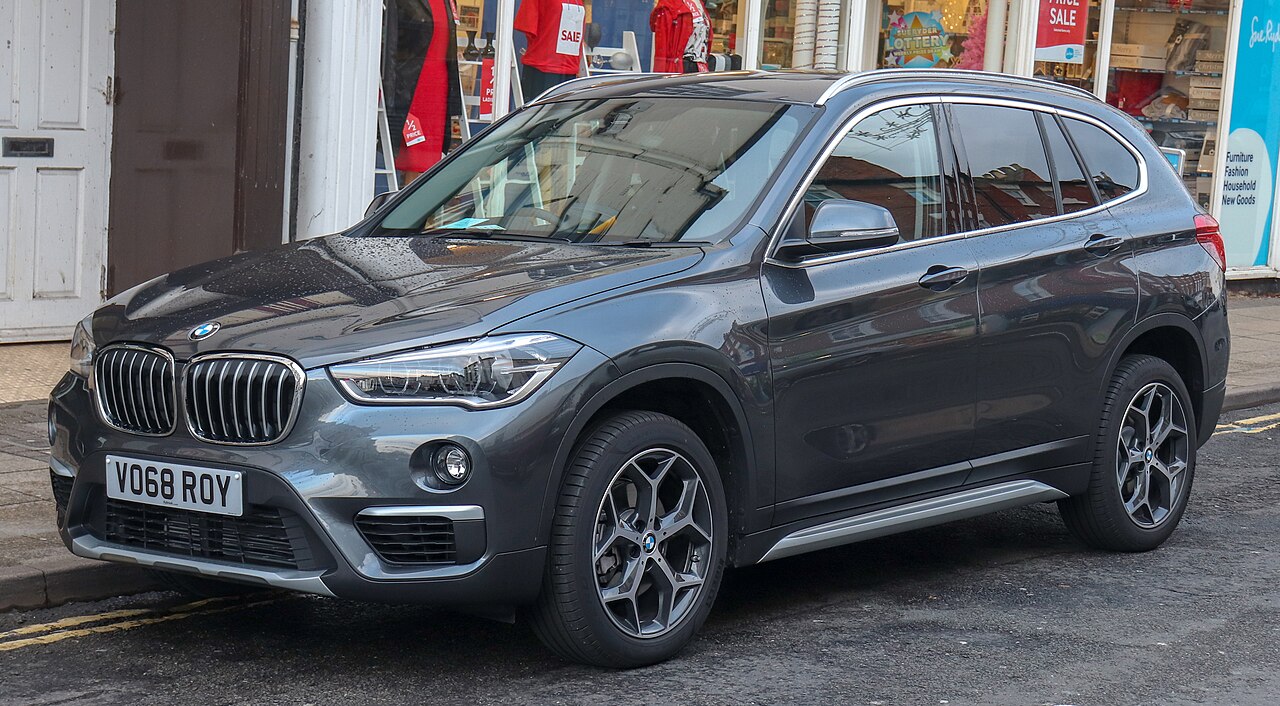
UK photograph. 2017 Skoda Kodiaq TDi SCR 4x4 2.0. Source location context: Taken in Stratford-upon-Avon. Review scope: Kodiaq Mk1 pre-facelift. Body/generation illustration only; photo year, trim, engine, gearbox, battery and equipment may differ from the specifically reviewed version and are not established by appearance. Proportional resize to at most 1400 pixels wide and JPEG recompression at quality 80; no creative changes or registration edits. Image remains CC BY-SA 4.0.
Mk1 pre-facelift SE 1.4 TSI ACT 150 PS 6-speed DSG FWD 7-seat
- Indicative used budget
- £12,500–£18,500
- Power
- Approximately 148 bhp (150 PS)
- Published combined economy
- Not verified · see review
- Boot
- 270 litresAll seven seats upright; third-row-folded figures are not the seven-up boot.
- Insurance
- Not verified · get a quote
- 0–62 mph
- 9.7 seconds (0–62 mph)
Period figures for the stated version; equipment and test cycles differ. Price range is an editorial planning estimate, not a live valuation (prepared 3 October 2026).
Overview
The 2018 Kodiaq SE 1.4 TSI DSG offers a useful seven-seat family arrangement without committing to diesel power. This review is confined to the original Mk1 body, 150 PS petrol engine, six-speed DSG and front-wheel drive, with the optional third row fitted. It is not a later 1.5 TSI, a 4x4 or a second-generation model. Its strongest use case is carrying five people most days and extra passengers occasionally. Seven occupants and substantial holiday luggage create a different requirement. The buying decision should therefore begin with passenger fit, actual luggage space and maintenance evidence, not the assumption that every seven-seat SUV serves seven equally well.
Exterior and interior
The original Kodiaq is a large, upright vehicle with a cabin that makes its family purpose fairly obvious. SE uses practical materials and a useful screen without the expensive decorative package of Edition or SportLine. Inspect the driving position, mirror coverage and reach to everyday controls, then check whether everyone can get in comfortably. Rear-door trim, seat backs and the load area often tell the story of repeated family use. Measure your parking space and access width rather than judging size from photographs. Any panoramic roof or powered-tailgate equipment on the example needs its own demonstration and leak inspection.
Practicality
The period UK seven-seat SE technical table gives 270 litres with every seat upright. That is the figure used here, not the much larger cargo area obtained by folding the third row. Try all regular occupants, including access to the rearmost seats, and load the bags that accompany them. Check sliding and folding mechanisms, head restraints and every belt before purchase. The third row is best treated as occasional accommodation unless an in-person trial proves otherwise. If seven adults and luggage regularly travel together, a larger MPV or people carrier is likely a more coherent choice than forcing this flexible SUV to exceed its brief. Repeat the luggage test with every required seating position occupied and the second row adjusted for those passengers. Otherwise an attractive third-row demonstration may depend on moving discomfort to the middle row. Check access with child seats fitted and make sure the outer-seat mechanism can be operated by the person who normally carries the children. Inspect the load cover and where it is stored when all seven seats are raised. This is a useful occasional-seat solution only when the entire seating and luggage sequence works safely in your real household configuration.
Driving experience
Period independent assessments establish the Kodiaq's family-car context, but road-test impressions from a diesel 4x4 or higher trim are not assumed to describe this petrol SE exactly. Include parking, an uneven road and safe faster running in your own demonstration. Pay particular attention to low-speed DSG control, reversing into a space and pulling away on a slope. A smooth cruise does not establish healthy operation in the manoeuvres you perform every day. Front-wheel drive also means SUV appearance does not grant 4x4 traction. Check tyre quality and brake feel, especially on a car accustomed to heavy passenger or luggage loads.
Performance
The original UK brochure gives this 150 PS seven-seat FWD DSG version 9.7 seconds from 0–62 mph, with approximately 148 bhp output. Its DSG has six gears; the later engine and some other Kodiaq configurations use different transmissions. Performance is sufficient for ordinary family journeys but should be considered with the intended load, not just one driver aboard. Try safe merging and a sensible hill to assess response and gearbox decisions. The 1.4's active-cylinder system is an efficiency feature, not evidence that it can be neglected. Buyers regularly towing or carrying maximum loads should compare the exact permitted weights and a suitable alternative powertrain.
Fuel economy
Petrol can suit a mixed-use family car where repeated short journeys make diesel ownership unattractive, but the Kodiaq is still a large vehicle to fuel. This review omits a headline mpg rather than mixing period NEDC values with later revised engines and WLTP data. Estimate consumption around your actual route, passenger load and motorway speed. Ask how any seller-reported average was calculated. Correct tyres, free-moving brakes and consistent servicing matter as much as the nominal engine size. If annual mileage is high, compare whole ownership costs of diesel and petrol configurations instead of choosing solely from a single favourable consumption number.
Reliability
RoadMatch's moderate-confidence reliability judgement reflects an established petrol engine in a car with automatic-transmission and family-use demands; it is not a measured failure probability. Obtain the DSG maintenance requirements for the VIN and supporting invoices, rather than guessing a universal interval. Check coolant level, water-pump area, cold-start behaviour and documented oil servicing. Repeated slow manoeuvres, towing and heavy loads make transmission and brake condition worth close attention. A specialist inspection should include diagnostic history and underside damage. Use GOV.UK's recall procedure and obtain manufacturer completion confirmation. The original warranty is not assumed to protect this eight-year-old example.
Evidence confidence: Moderate. Individual cars vary; service history, condition and previous use matter more than a model-level score.
Safety
The official 2017 Euro NCAP Kodiaq record is the relevant original-generation reference and discusses the optional third row within its rear-seat checks. The 2024 second-generation assessment is not substituted. No numerical ratings, stars or artwork are reused. Period manufacturer equipment includes Front Assist, while additional lane, blind-spot and adaptive-cruise features were option-dependent. Check the build specification and look for unresolved warnings or poorly documented windscreen and front-end repairs. With seven seats, belt condition, access and child-restraint compatibility deserve particular care. A flexible seating arrangement is useful only when every occupied position is used correctly.
Technology and features
SE adds an eight-inch Bolero screen, ordinary cruise control, rear parking sensors and dual-zone climate control; SmartLink phone projection is supported across the period range. Adaptive cruise and a reversing camera remain conditional, not automatic additions to the plain SE badge. Connect your own phone, check sound and calls, and demonstrate parking warnings and both climate zones. Navigation is a separate capability and should not be inferred from a large screen. Inspect any optional electrically operated features and ask about replacement components. A long equipment list is less valuable than a smaller package that works consistently and has a clear specification history.
Running costs
The £12,500–£18,500 purchase band is a RoadMatch planning estimate dated 3 October 2026, not a live valuation. An illustrative 8,000 miles at 35 mpg and £1.50 per litre costs about £1,559 in petrol. Add £200 for tax planning and £800–£1,400 for routine service, MOT and wear, giving roughly £2,550–£3,150 before insurance, depreciation, finance and major faults. Verify registration-specific tax and obtain a personal insurance quotation. Larger tyres, brake work and DSG maintenance deserve room in the budget; significant gearbox or cooling-system repairs are outside the routine reserve. Buy with financial headroom instead of spending the entire budget on the highest specification.
Advantages and disadvantages
What it does well
- Flexible seven-seat layout
- Useful SE family equipment
- Petrol avoids a diesel-only ownership brief
Where it compromises
- 270 L luggage space with all seven seats used
- Third row not seven-adult limousine space
- Large body and automatic maintenance need consideration
Recommended engine and trim
A documented 1.4 DSG FWD SE seven-seater is worth considering for five-person daily use with occasional extra seats. Test the transmission in real manoeuvres and verify its service history. Pay for condition and suitable equipment before stretching to luxury trim or unnecessary 4x4 hardware.This is the version we think best balances value, useful equipment, performance and likely running costs. Always verify the exact equipment on the individual advert.
Who it suits and our final verdict
Best suited to: Families needing five useful seats most days, occasional third-row capacity and petrol automatic operation.
A versatile early seven-seat SUV when its compromises match your household. All-seat luggage capacity, DSG condition and exact equipment are the essential buying checks.
Factual evidence and checking notes
These links support concrete specifications, safety results, economy figures and ownership claims. Each note identifies the generation or version checked so that differences are visible rather than silently blended together.
- Manufacturer · SpecificationsSkoda April 2018 UK brochureUK 2018 SE seven-seat 1.4 TSI150 FWD uses 6-speed DSG and 9.7-second 0–62 mph timing.
Manufacturer-origin dealer-hosted document, seven-seat FWD column.
- Manufacturer · SpecificationsSkoda 2018 UK technical tablesSeven-seat SE has 270 L boot with all seats upright.
Not third-row-folded volume or five-seat body figure.
- Manufacturer · SpecificationsSkoda 2018 UK SE equipmentSE standard equipment includes rear sensors, ordinary cruise, Bolero and phone projection.
Adaptive cruise/camera optional; no insurance or valuation fields copied.
- Safety authority · SafetyEuro NCAP 2017 Kodiaq record2017 Kodiaq assessment covers original-generation context and discusses optional third row.
No 2024 result substitution or scores reproduced.
- Government · Reliability and ownershipGOV.UK: check vehicle recallCheck the individual registration for recalls and obtain manufacturer VIN-specific completion confirmation.
Public procedure verified; no individual clearance, campaign count or measured reliability claim.
Before you buy one
A practical starting list for this version, not a substitute for an independent inspection.
- Verify 150 PS 1.4 ACT 6-speed DSG FWD seven-seater, not later 1.5.
- Obtain VIN-specific DSG service requirements and invoices.
- Test cold and warm low-speed shifts, reversing and hill starts.
- Inspect coolant loss, water-pump area and oil-service history.
- Operate every third-row and sliding-seat mechanism.
- Check tailgate seals, load floor and all seven belts.
- Demonstrate SmartLink and differentiate ordinary from adaptive cruise.
- Confirm permitted trailer weights if towing is planned.
- Check VIN recall completion.
Research sources and attribution
These references include consulted public material and further-reading links. Scope notes distinguish full reviews, indexed extracts, owner accounts, generation-boundary context and pages we could not access; a listed link does not imply its full article was read. Restricted content was not used. We compare relevant conclusions, separate generation or trim differences, and write our own verdict. We do not reproduce their review text, scores or photography, and none of these publishers endorses RoadMatch.
Genuine indexed original-generation page; availability context, not full-reading claim.
- Auto ExpressNew UK Kodiaq 2017 review
Public period assessment consulted; tested diesel Edition, not exact petrol SE.
- Honest JohnKodiaq 2016–2024 review availability
Genuine indexed original-generation page; reports not converted to failure probabilities.
Genuine publisher 2017 UK review listing/description; no claim video was watched or transcript fully read.
Also worth reading
Same body style and overlapping used-budget bands. These are reading suggestions, not personalised match results.