Ford Kuga review
A roomy family SUV with a useful sliding rear bench and straightforward petrol power; check the precise engine and equipment rather than assuming every Kuga is alike.
Evidence checked 29 September 2026
Autocar · Auto Express · Honest John · Carwow
Plus 5 primary or authoritative fact-check sourcesBest forFamilies wanting five seats, flexible luggage space and a raised driving position for mixed journeys, without a charging requirement.
Think twice ifYou need a low verified insurance group, routinely carry seven people, have a narrow parking space, or mainly want the lowest possible fuel bill.

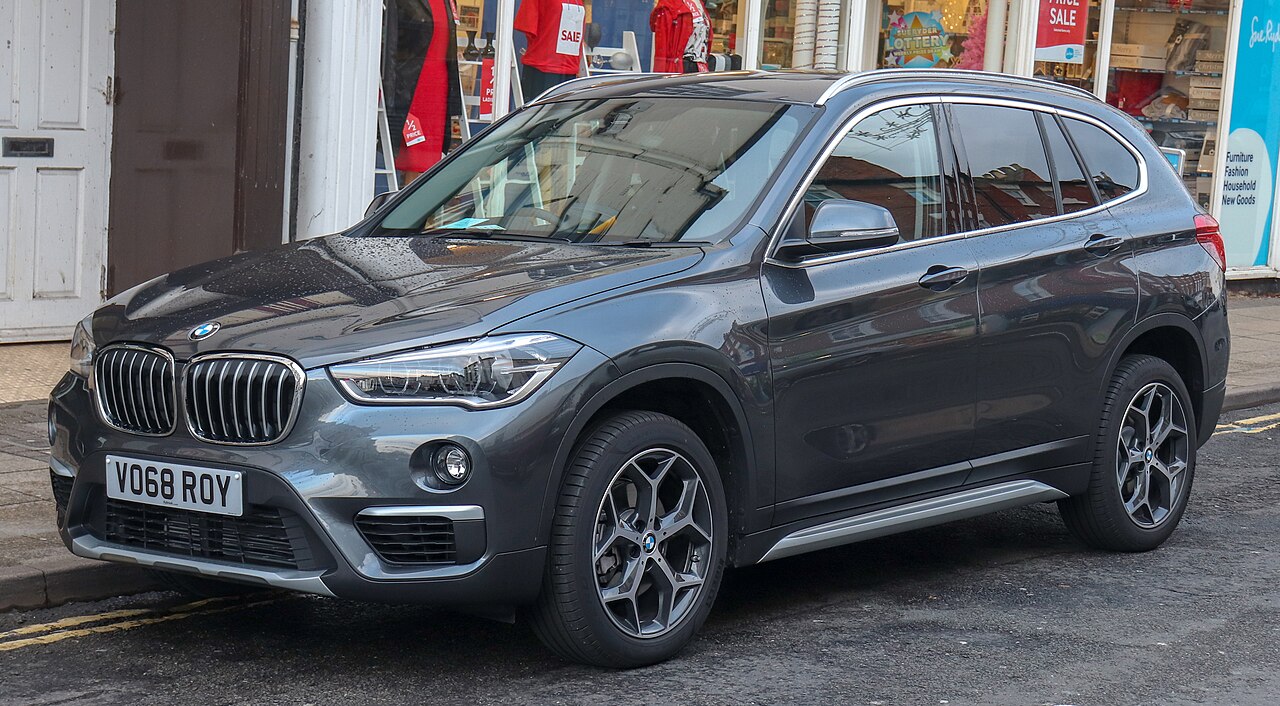
UK 2020 Titanium PHEV illustrates the pre-facelift body; this review recommends the 1.5 petrol manual, not the pictured powertrain.
1.5 EcoBoost 150 Titanium manual (pre-facelift)
- Indicative used budget
- £12,000–£20,000
- Power
- 150 PS (approximately 148 bhp)
- Published combined economy
- 41.5 mpg
- Boot
- 475 litres
- Insurance
- Not verified · get a quote
- Acceleration
- 9.7 sec (0–62 mph)
Period figures for the stated version; equipment and test cycles differ. Price range is an editorial planning estimate, not a live valuation.
Overview
This review covers the third-generation, pre-facelift Kuga with the 150 PS 1.5 EcoBoost petrol engine and a manual gearbox. It is a family SUV for buyers who need more passenger flexibility than a small hatchback but do not want to organise home charging. Auto Express's used-generation guide and Ford's technical material provide the main period context; current Kuga reviews describe later equipment that must not be back-applied. RoadMatch favours Titanium as a practical starting point, rather than treating an expensive sporting appearance pack as essential. A complete history is more valuable than an unusually low advertised price.
Exterior and interior
The pre-facelift cabin uses an eight-inch SYNC 3 screen rather than the much larger display seen in newer Kugas. That distinction matters when comparing photographs in advertisements. Physical climate controls make routine adjustment less dependent on menus, while the high seating position offers a different experience from a Focus. This is not a luxury cabin simply because it is an SUV: inspect frequently touched plastics, seat bolsters and the luggage-area trim. Check that every screen and switch works from a cold start, and look for uneven panel gaps or poorly matched paint around the bumpers.
Practicality
The sliding rear bench is the Kuga's most useful family feature: it lets the owner trade rear legroom against luggage space. Consequently, a single boot figure does not describe every seating position; the nominal 475-litre figure shown here should not be mistaken for a fixed measurement with every passenger comfortably accommodated. Take your pushchair or usual luggage to a viewing and check the arrangement you will actually use. Five seats do not guarantee that three bulky child seats fit across the rear. Check belt access, ISOFIX compatibility, door opening space and the height of the load lip before choosing it over an estate.
Driving experience
Independent assessments emphasise the Kuga's relatively engaging responses for a family SUV, although RoadMatch has not conducted a road test. Titanium is a sensible place to start for someone more interested in comfort than sporting presentation. Tyres, wheel size and condition can change that impression considerably. On a viewing, use broken urban roads as well as a faster section, then try reversing into a realistic parking space. The raised seating position cannot cancel the car's width. Listen for suspension knocks and wheel-bearing noise, and ensure that the steering centres naturally without vibration under braking or acceleration.
Performance
The recommended engine is a three-cylinder 1.5 EcoBoost rated at 150 PS, paired with a six-speed manual gearbox. Ford's period technical sheet lists a 9.7-second 0–100 km/h time, corresponding to the familiar 0–62 mph measure. This is adequate family performance rather than a reason to buy the car for speed. Keep this engine separate from the previous Kuga's different petrol engines and from Ford's smaller 1.0-litre EcoBoost: fault reports cannot be transferred merely because the badge is similar. Check smooth low-speed pickup, clutch engagement and a clean hot restart, particularly if the car has towed.
Fuel economy
Ford's February 2021 UK price and specification document gives combined WLTP consumption of 41.5–42.8 imperial mpg for the 150 PS manual petrol range. This is a laboratory range, not an owner's guaranteed result, and individual wheel and option choices affect certification. RoadMatch displays the conservative end rather than a plug-in hybrid's very different headline figure. Earlier European sheets quote different ranges, so use the actual registration's certificate when an emissions figure matters. Congested school runs, cold weather and a full roof box can increase fuel use. Compare this SUV with a smaller petrol hatchback over your annual mileage; extra space has an ongoing cost.
Reliability
There is not enough derivative-specific evidence here to turn a review into a statistical failure forecast. RoadMatch's 3.6 out of five is an editorial assessment with moderate confidence, not a measured reliability rate. Obtain invoices showing the correct service work and fluids, and use the registration-specific government recall check. Publicised plug-in hybrid battery campaigns must not be described as faults of this non-hybrid petrol engine. Equally, the lack of a traction battery does not make inspection unnecessary. Check coolant level when cold, leaks, warning lights, battery health and clutch behaviour, and consider an independent examination before committing to a costly family purchase.
Evidence confidence: Moderate. Individual cars vary; service history, condition and previous use matter more than a model-level score.
Safety
The relevant Euro NCAP assessment is the 2019 third-generation Kuga record, not a result for an earlier Kuga or a newer facelift treated as an entirely different car. The assessment link is provided for readers to inspect; RoadMatch does not reproduce its protected rating graphics or present an old protocol as a current test. Assistance equipment depends on production date and options. Verify the fitted systems from the build record, then check that warning messages clear correctly. A windscreen replacement or accident repair makes camera calibration evidence important. Child-seat installation, tyre condition and outstanding recalls remain checks on the actual vehicle.
Technology and features
SYNC 3 provides Apple CarPlay and Android Auto, so both phone users can be accommodated; test the connection with your own phone and cable rather than trusting a specification icon. Titanium's period equipment includes useful parking aids, but confirm sensors and camera operation on the particular car. Heated seats and adaptive cruise control are treated as conditional features, not guaranteed standard equipment. Do not confuse ordinary cruise control with adaptive distance control. Navigation maps, subscription services and over-the-air functions also differ from the latest model. Inspect every USB connection, the Bluetooth microphone and the climate system while the engine is running.
Running costs
The £12,000–£20,000 price band is a broad RoadMatch shopping allowance, not a valuation or an extract from live adverts. For ownership planning, 8,000 miles at 38 mpg with petrol at an assumed £1.50 per litre uses approximately £1,435 of fuel. Adding a £200 tax placeholder and £450–£950 for servicing, MOT and ordinary wear gives roughly £2,100–£2,600 annually. These assumptions are not current pump-price or tax claims; replace them with local prices and the registration's actual tax. Insurance, finance, depreciation and major repairs are excluded. The exact insurance group is deliberately left unpublished until verified.
Advantages and disadvantages
What it does well
- Flexible rear seating
- Useful phone integration and physical climate controls
- Petrol power suits mixed journeys without charging
Where it compromises
- Fuel costs exceed a small hatchback's
- Wide body needs parking space
- Insurance group not yet verified for this exact derivative
Recommended engine and trim
Start with a 2020–2023 1.5 EcoBoost 150 Titanium manual with itemised servicing. Confirm that the actual car has your required parking and phone features; keep money back for inspection and maintenance rather than stretching solely for ST-Line styling.This is the version we think best balances value, useful equipment, performance and likely running costs. Always verify the exact equipment on the individual advert.
Who it suits and our final verdict
Best suited to: Families wanting five seats, flexible luggage space and a raised driving position for mixed journeys, without a charging requirement.
A versatile family choice when the petrol manual matches the journey pattern. Its appeal is space and everyday flexibility, not bargain-basement operating costs. RoadMatch's 4.1/5 rating is our desk-researched editorial judgement, independent of publisher scores.
Factual evidence and checking notes
These links support concrete specifications, safety results, economy figures and ownership claims. Each note identifies the generation or version checked so that differences are visible rather than silently blended together.
- Manufacturer · SpecificationsFord Kuga UK customer price and specification document, February 2021Ford's February 2021 UK document identifies the 150 PS six-speed manual Titanium Edition and lists 9.7 seconds to 62 mph.
Original Ford UK document hosted by authorised dealer Busseys: model table page 5, performance page 13. Pages 2–3 and 9 document SYNC 3 phone integration and Titanium equipment; the facelift is excluded.
- Manufacturer · Economy and emissionsFord Kuga UK: fuel consumption and CO2 tableThe February 2021 UK petrol-manual table lists 41.5–42.8 mpg combined WLTP.
Page 12 period laboratory range across trims; RoadMatch displays the conservative end, not a personal guarantee. Other dates and configured certificates can differ, and PHEV figures remain separate.
- Manufacturer · SpecificationsFord Kuga Specifications, 2020 European technical sheetFord's period European technical sheet distinguishes 475–645 litres of under-cover boot capacity in non-PHEV versions from the smaller PHEV figure.
Manufacturer technical document hosted by a publisher. The range depends on sliding-seat position and tyre-repair-kit configuration; RoadMatch shows 475 litres, not the maximum with rear legroom reduced.
- Safety authority · SafetyEuro NCAP: Ford Kuga assessmentEuro NCAP maintains a 2019 assessment record for the third-generation Kuga.
Link-only assessment reference. RoadMatch does not reproduce the rating, scores or graphics; applicability, test protocol and fitted assistance systems should be read in the original record.
- Government · Reliability and ownershipCheck if a vehicle, part or accessory has been recalledThe government recall service supports vehicle-specific safety checks.
Use the actual registration. A recall check is not a failure-rate study, service-history check or guarantee of roadworthiness.
- Independent data · SpecificationsAuto Express: used Ford Kuga Mk3 guideThe period used guide identifies the Mk3's eight-inch screen, Titanium parking camera and sliding rear-seat arrangement.
Generation-level equipment and packaging context. Luggage capacity changes with bench position and powertrain; confirm the actual car and do not infer newer SYNC 4 equipment.
Research sources and attribution
These references include consulted public material and further-reading links. Scope notes distinguish full reviews, indexed extracts, owner accounts, generation-boundary context and pages we could not access; a listed link does not imply its full article was read. Restricted content was not used. We compare relevant conclusions, separate generation or trim differences, and write our own verdict. We do not reproduce their review text, scores or photography, and none of these publishers endorses RoadMatch.
Publicly indexed launch-report context, not a full road test. Engine and equipment facts are cross-checked against period material; restricted article content is not used.
- Auto ExpressUsed Ford Kuga Mk3 (2020-date) review
Free February 2024 used-generation guide consulted for cabin, equipment and ownership context. Hybrid battery campaigns are not assigned to the petrol manual; listings and text are not republished.
- Honest JohnFord Kuga 1.5 EcoBoost used-price reference
Publicly indexed derivative and price-guide context only; the page could not be opened in full at the check date. No review verdict, owner statistics or valuation is claimed from inaccessible material.
- CarwowFord Kuga review
Current range comparison consulted with a strict generation boundary. Later SYNC 4 displays, facelift equipment and hybrid economy are not back-applied to this 2020–2023 petrol manual.
Also worth reading
Same body style and overlapping used-budget bands. These are reading suggestions, not personalised match results.